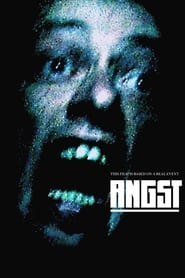
“Angst” is a dark and disturbing movie about a violent criminal who is released from prison and goes on a killing spree, like a caged animal set free. The cinematography is hauntingly beautiful, capturing the mind of the protagonist as he spirals out of control. The film explores the depths of human depravity and our innate desire to satisfy our most basic instincts. It’s a visceral and unforgettable experience that will leave you on edge until the very end.
CLICK HERE🠇🠇🠇✅_Watch Angst 1983 English Subtitles_
Review
In the vast expanse of cinematic works, few movies have possessed such a firm grasp on the inner workings of human emotions and psyche. “Angst,” directed by Gerald Kargl in 1983, is one such film, an extraordinary piece of Austrian slasher cinema that packs a powerful punch with its unadulterated brutality and uncompromising vision. As if to embody the raw intensity of life itself, Angst is shot in breathtaking black-and-white cinematography that underlines the starkness of its subject matter.
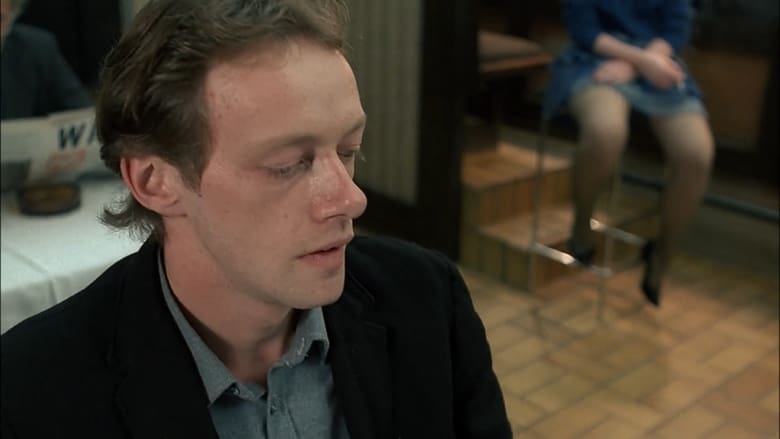
The storyline of “Angst” traces the journey of an unnamed psychopath played brilliantly by actor Erwin Leder. The opening scene is a close-up shot of his face as he gazes into the camera. We then see flashes of what has led him to this state – a history filled with trauma and abuse, which makes his actions seem almost justified in the eyes of some viewers. The plot focuses on his rampage through a small town’s population, one by one eliminating anyone who crosses his path.
The fact that Angst is based on real-life events adds another layer to its already harrowing portrayal. It draws elements from crimes like those committed by Peter Kürten -the infamous “Vampire of Düsseldorf.” The movie explores themes like mental illness, violence, and society’s role in shaping our own sense of self-worth.
Erwin Leder delivers an outstanding performance as the film’s protagonist. His portrayal provides us with an unsettling window into the dark abyss that resides within us all but seldom sees light – emphasizing how we are all at once guilty and innocent. Leder creates an undeniable sense of dread as he moves through each environment carefully selected for its inherent contrasts between light and shadow.
Director Gerald Kargl’s framing technique underscores this point with each scene tightly contained within frames filled with sharp angles, cutaways to close-ups, and extreme long shots. We get the sense that every inch of space in Angst is essential to its narrative. The movie’s score by Klaus Schulze, a longtime collaborator with Tangerine Dream and Ash Ra Tempel, heightens the intensity of each scene with an ominous electronic soundscape.
Angst was initially panned by critics upon its release, but it has since garnered a cult following. Its unique approach to storytelling and innovative use of sound and editing earned it critical acclaim later on. It won the best film award at Fantastic Fest and was nominated for the Grand Jury Prize at Sundance.
The cinematography is undoubtedly one of Angst’s most significant strengths. The black-and-white visuals emphasize the textures of the environment and highlight Leder’s character’s journey through his own psyche. Kargl uses various techniques that play out like a film school masterclass, taking us through different shots to build tension and raise suspense.
While Angst is seen as a classic in slasher cinema for its uncompromising brutality, it also possesses an underlying philosophy that is often ignored in such films. It takes a careful look at the twisted logic that drives those who commit heinous acts – exploring how even they can see themselves as victims of their environment rather than wholly evil beings.
Angst lays bare all human emotion in its most vulnerable state – beautifully crafted yet terrifyingly violent. This unflinching depiction of horror has made it one of the most remarkable films in cinematic history. It has left an indelible mark on those who have watched it – haunting them long after they’ve left its reality even though they may have questioned why they ever chose to watch something so disturbingly real in the first place.
In conclusion, “Angst” is a movie that pushes beyond conventional boundaries with its raw examination of human behavior, violence, and trauma-induced psychosis. The cast delivers captivating performances while Kargl’s direction expertly employs various techniques to create a heightened sense of unease throughout the film. The movie’s social commentary and technical prowess make it a must-watch for cinephiles seeking something both profound and provocative than the usual fare.
Technical Data
- Runtime : 75
- Release : 1983-01-01
- Genre : Crime, Drama, Horror, Thriller
- Cast : Erwin Leder as Psychopath, Robert Hunger-Bühler as Psychopath (voice), Silvia Rabenreither as Daughter, Karin Springer as Daughter (voice), Edith Rosset as Mother
- Crew : Mel Kutbay as Foley Artist, Gerald Kargl as Director, Gerald Kargl as Producer, Gerald Kargl as Writer, Zbigniew Rybczynski as Director of Photography
- Popularity 13.386
- Budget : $472,000
- Revenue : 0
- Company : Gerald Kargl
- Summary : A killer is released from prison and breaks into a remote home to kill a woman, her handicapped son and her pretty daughter.
- Tagline : Based on a true story.
