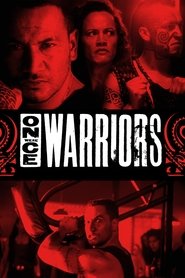
In Once Were Warriors, a Maori family living in poverty in New Zealand struggles to find hope and happiness amidst the violence and alcoholism that threatens to tear them apart. The film is a raw and powerful portrayal of the effects of colonization and globalization on indigenous communities, and the resilience of those who refuse to be broken by it. With stunning cinematography and a haunting musical score, Once Were Warriors is a cinematic masterpiece that will leave you both heartbroken and inspired.
CLICK HERE↓↓↓☑️_Watch Once Were Warriors 1994 English Subtitles_
Review
Once Were Warriors: A Story of Survival and Triumph
Once Were Warriors is a powerful and moving drama film, directed by Lee Tamahori and released in 1994. Adapted from a novel of the same name by Alan Duff, the movie follows the struggles of a Maori family living in a poor urban area of New Zealand. It is a story of love, abuse, addiction, violence, and redemption. It addresses important social issues such as domestic violence, poverty, cultural identity, and colonization.
The movie begins with a happy scene of family gathering where we see Jake Heke (played by Temuera Morrison), a once-proud warrior who has now become an alcoholic and abusive husband to his wife Beth (played by Rena Owen) and father to their five children. The Heke family lives in a shabby but colorful house surrounded by other rough-looking homes in Auckland’s poorest neighborhood.
The plot thickens as we get to know more about the characters’ backstory. We learn that Jake was brought up in poverty himself but was initiated into the Maori warrior tradition by his uncle Bully (played by Cliff Curtis). However, as he grew older, he lost touch with his cultural identity and became trapped in a cycle of self-destruction.
Meanwhile, Beth struggles to keep her family together despite her husband’s violent outbursts and her own traumatic past. She tries to protect her children from harm while also trying to help Jake overcome his addiction and anger issues. Her strength and resilience are truly inspiring.
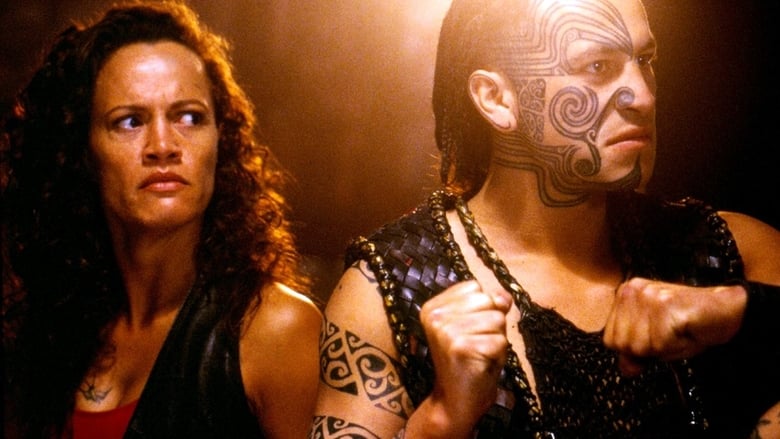
The film portrays the Maori community in an honest and respectful way. We see their strong sense of family ties, their pride in their traditions, their struggles with discrimination and poverty, but also their humor and creativity. The scenes where they perform traditional songs or dances are particularly beautiful.
One of the most famous lines from the movie is when Beth says: “I’m not your bloody slave!” This scene is a turning point in the story, as Beth finally stands up to Jake’s abuse and decides to leave him. It shows how even in the darkest of times, there can be a spark of hope and courage.
The acting in Once Were Warriors is exceptional. Temuera Morrison and Rena Owen deliver powerful performances that capture the complexity of their characters’ emotions. The child actors are also outstanding, especially Mamaengaroa Kerr-Bell who plays Grace, the eldest daughter.
The film received critical acclaim and became a cultural phenomenon in New Zealand and beyond. Its raw depiction of domestic violence sparked important conversations about this issue and led to the creation of support groups for victims. The soundtrack, composed by Murray Grindlay and Murray McNabb, is also memorable, blending traditional Maori music with contemporary sounds.
Once Were Warriors was not without its controversies, however. Some critics accused it of perpetuating negative stereotypes about Maori people or glorifying violence. Director Lee Tamahori has defended the movie as a realistic portrayal of a specific community’s struggles but has also acknowledged that it might not reflect everyone’s experience.
In conclusion, Once Were Warriors is a must-watch film that tells an important story with heart-wrenching honesty and compassion. It reminds us that even in the face of adversity, we can find strength and beauty in our cultural heritage and our love for each other. As Beth says: “We’re warriors…once were warriors.”
Technical Data
- Runtime : 99
- Release : 1994-09-02
- Genre : Drama
- Cast : Rena Owen as Beth Heke, Temuera Morrison as Jake Heke, Mamaengaroa Kerr-Bell as Grace Heke, Julian Arahanga as Nig Heke, Taungaroa Emile as Mark ‘Boogie’ Heke
- Crew : Michael Horton as Editor, Lee Tamahori as Director, Riwia Brown as Screenplay, Alan Duff as Author, Robin Scholes as Producer
- Popularity 16.787
- Budget : 0
- Revenue : $1,608,570
- Company : Avalon Studios, New Zealand Film Commission, NZ on Air
- Summary : A drama about a Maori family living in Auckland, New Zealand. Lee Tamahori tells the story of Beth Heke’s strong will to keep her family together during times of unemployment and abuse from her violent and alcoholic husband.
- Tagline : A family in crisis, a life in chaos… Nothing is more powerful than a mother’s love.
